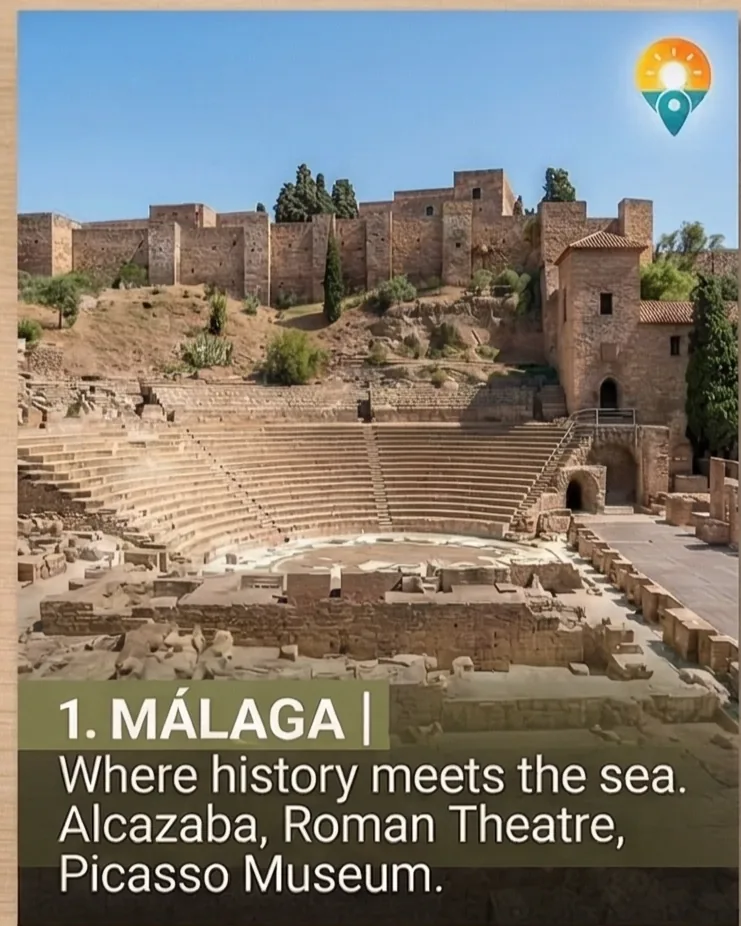
Málaga sits at the centre of one of the most varied day-trip networks in southern Europe. Within two hours in any direction you can be standing on the edge of a 100-metre gorge in Ronda, swimming in the clearest coves in Andalucía at Nerja, walking through the Alhambra palace in Granada, or hiking a vertigo-inducing cliff path through a limestone gorge. Málaga is genuinely one of the best-positioned cities in Spain for day trips.
This guide ranks the 7 best day trips by experience value — not just distance — and tells you exactly how to get there, what to see, and how long you need for each.
Quick Comparison
| Destination | Distance | Travel time | Best transport | Min. time needed |
|---|---|---|---|---|
| Ronda | 100km | 1h 30m | Car / Train | 5 hours |
| Nerja | 50km | 55m | Car / Bus | 4 hours |
| Granada | 125km | 1h 20m | Bus / Train | Full day |
| Marbella | 60km | 45m | Car / Bus | 4 hours |
| Caminito del Rey | 60km | 50m | Car / Bus+walk | 4 hours |
| Mijas Pueblo | 30km | 35m | Car / Bus | 3 hours |
| Seville | 200km | 2h (AVE) | Train | Full day |

1 Ronda
Ronda is the undisputed top day trip from Málaga — and from anywhere on the Costa del Sol. The city occupies a dramatic plateau split by the El Tajo gorge, a 100-metre deep canyon that cuts straight through the rock. The Puente Nuevo (New Bridge, completed 1793) spans the gorge in a single dramatic arch and is one of the most photographed structures in Spain.
But Ronda is more than the bridge. The old town (La Ciudad) is a beautiful maze of Moorish architecture, narrow lanes, and white-walled plazas. The Plaza de Toros — one of the oldest and most beautiful bullrings in Spain, opened 1785 — has an excellent museum even if the sport isn't to your taste. The Arab Baths (Baños Árabes) are among the best-preserved in Andalucía. The clifftop Jardines de Cuenca offer vertiginous views straight down into the gorge.
Allow a minimum of 5 hours in Ronda — 6 is better. Walk the bridge and gorge lookout points first (most impressive in morning light), then explore the old town and have lunch at one of the terraced restaurants overlooking the gorge. Return trains run in the late afternoon.
Book Ronda tours & guided experiences GetYourGuide — instant booking, free cancellation on most activities Browse →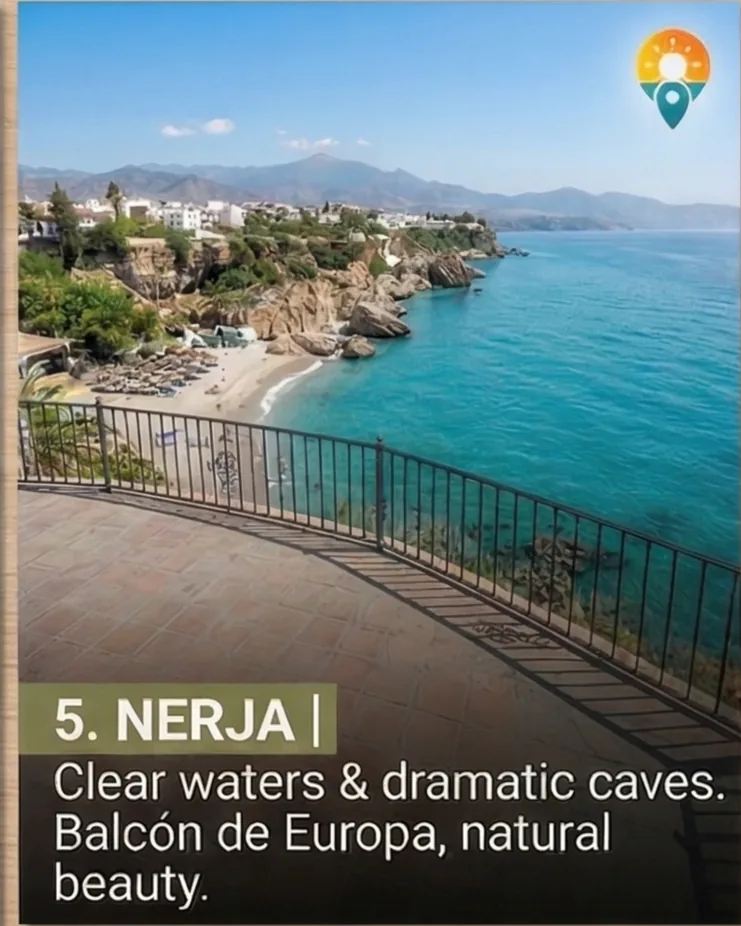
2 Nerja
Nerja sits at the eastern end of the Costa del Sol where the coastline becomes dramatically more rugged and the water noticeably cleaner. The town itself is charming — low-rise whitewashed buildings tumbling towards the sea around the Balcón de Europa, a clifftop promenade with panoramic views that King Alfonso XII famously called "the balcony of Europe" in 1885.
The beaches here are genuinely outstanding. Playa Burriana, 1km east of the Balcón, is wide, sandy, and backed by excellent chiringuitos including the legendary Ayo's — where paella is cooked communally over wood fires in enormous pans. The cove beaches directly beneath the Balcón (Calahonda and Carabeillo) are small but spectacularly set. And Playa Maro, 4km further east through the nature reserve, is one of the most beautiful secluded coves on the entire coast.
GPS Audio Guides for Every Day Trip
SolGuide narrates Ronda's gorge history, Nerja's cave discoveries and Granada's Alhambra architecture as you explore — triggered automatically by your location. No guide book, no tour group.
Get SolGuide Free →iOS & Android · First month free · No credit card required
3 Granada
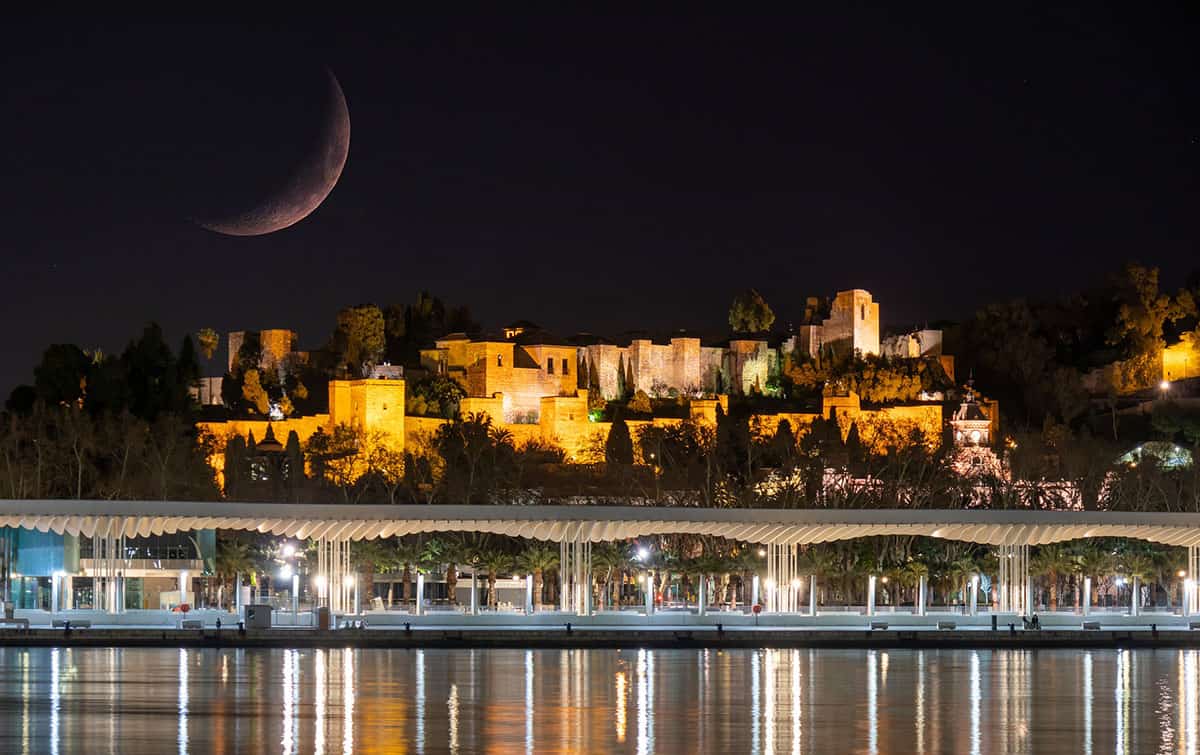
Granada deserves a full day — and if you can, an overnight stay. But as a day trip it's absolutely viable, provided you plan around the Alhambra. The Nasrid palace complex on the hill above the city is one of the finest pieces of architecture in the world: a sequence of rooms, courtyards and gardens built by the Moorish rulers of Granada between the 13th and 15th centuries, each space more intricate and beautiful than the last.
Critical: Alhambra tickets sell out 3–4 weeks in advance in summer. Book the moment you know your travel dates at alhambra-tickets.es. Without a ticket, you cannot enter the Nasrid Palaces — the core of the complex.
Beyond the Alhambra, Granada's old Moorish quarter of the Albaicín (a UNESCO World Heritage Site) is a beautiful area of whitewashed streets and tea houses with views back across the valley to the Alhambra. The Cathedral of Granada and the Royal Chapel (Capilla Real), where Ferdinand and Isabella are buried, are both extraordinary. And Granada is one of the last cities in Spain where tapas come free with every drink ordered at a bar.

4 Marbella & Puerto Banús
Marbella is the most glamorous town on the Costa del Sol — and a surprisingly rewarding day trip from Málaga. Most people associate Marbella purely with luxury and expense, but the Old Town (Casco Antiguo) is one of the most beautifully preserved in Andalucía: a network of narrow whitewashed streets, flower-draped balconies and hidden plazas centred on the orange-tree-lined Plaza de los Naranjos.
Combine the Old Town with a visit to Puerto Banús (6km west, connected by bus or taxi) — the famous marina lined with superyachts, designer boutiques and seafront restaurants. You don't need to spend much to enjoy it: a cold beer on the port promenade watching the boats is one of the great free pleasures of the Costa del Sol.
5 Caminito del Rey
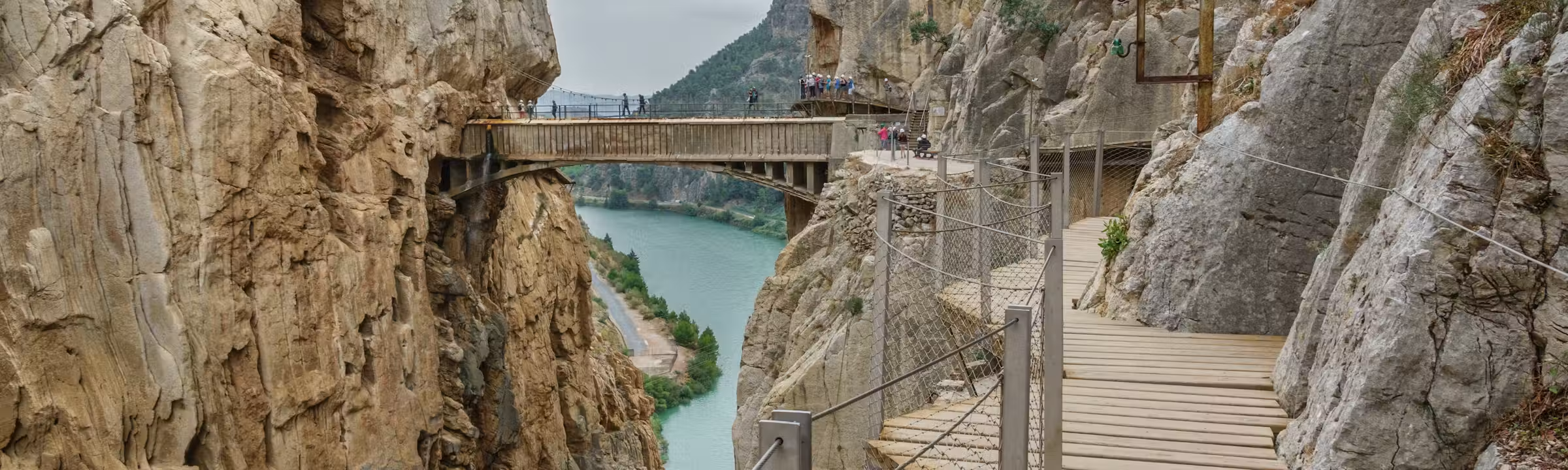
The Caminito del Rey ("The King's Little Path") is one of Spain's most spectacular walking routes — a 7.7km trail carved into the sheer limestone walls of the Garganta del Chorro gorge, with sections of boardwalk suspended 100 metres above the river below. Originally built in the early 20th century for workers maintaining the hydroelectric infrastructure, it fell into dangerous disrepair (earning it a reputation as the world's most dangerous footpath) before a full restoration reopened it safely in 2015.
The experience is genuinely thrilling — not technically demanding (no climbing equipment needed), but vertigo-inducing in places. The gorge scenery is extraordinary. Allow 3–4 hours for the full trail plus transfers. Tickets must be booked in advance at caminitodelrey.info — they sell out weeks ahead in peak season.

6 Mijas Pueblo
Mijas Pueblo is one of the most visited white villages on the Costa del Sol — and for good reason. Perched 430 metres above the coast in the hills above Fuengirola, the village has sweeping views over the Mediterranean that on clear days stretch to North Africa. The streets are immaculately maintained, lined with flower pots, artisan craft shops and small tapas bars.
It's inevitably touristy (the donkey taxis have been a fixture since the 1960s), but the setting is genuinely beautiful and the village rewards those who wander away from the main square into quieter lanes. The Ermita de la Peña, a chapel carved into the clifface at the edge of the village, offers particularly dramatic views. Half a day is sufficient — combine it with beach time at Fuengirola or a visit to Cala de Mijas, the excellent cove beach below the village.
7 Seville
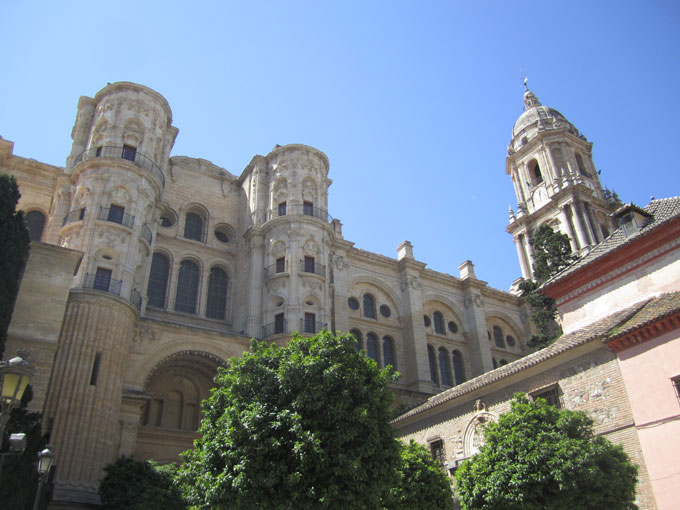
Seville is a full day and ideally an overnight, but it works as a day trip if you're disciplined about it. The high-speed AVE train from Málaga takes exactly 2 hours and drops you in the centre of one of the most beautiful cities in Europe. The Seville Cathedral (the largest Gothic cathedral in the world), the Real Alcázar palace, and the Barrio de Santa Cruz (the old Jewish quarter) are the core attractions.
Book the earliest morning train (departures from around 7am) to maximise your time. Six hours in Seville is the minimum to see the Cathedral and Alcázar properly and eat well. The last convenient return trains leave around 8–9pm. Book AVE tickets at least a week in advance — they're significantly cheaper than walk-up prices.
Planning Tips: Making the Most of a Day Trip
- Leave early. For Ronda and Granada especially, catch the first morning transport. You get better light, cooler temperatures, and beat the day-tripper crowds that arrive mid-morning.
- Book tickets in advance. Alhambra (Granada), Caminito del Rey, and Nerja Caves all sell out in summer. Book as soon as you confirm your travel dates.
- Rent a car for the mountains. The drive to Ronda via Casares or the back roads through the Axarquía to Nerja is genuinely beautiful and opens up villages and viewpoints no bus reaches.
- Have a menú del día. Every restaurant in Spain serves a set lunch (2 courses + drink) for €12–16. This is how locals eat and it's excellent value everywhere.
- Check return times before you go. Buses and trains have limited evening services. Know your last return time before you leave.